Nicola Sim is in the final year of a collaborative PhD ( Tate and the School of Education, The University of Nottingham). Her PhD examines partnership between youth organisations and art galleries. She tweets as @nickyjsim and blogs at youth/culture
I took on my PhD having spent five years running events at Whitechapel Gallery in London. After regular late nights, occasional nightmares about ticket sales and constant negotiations with speakers’ diaries, I saw the PhD as a welcome relief from event programming! But as soon as I started my PhD, I was itching to return to the event format as a tool for informing and extending my research.
Obviously, academic conferences feature heavily in the research journey of a PhD student. The major conferences can host vast numbers of delegates from around the world. Most students will be encouraged to present papers at these events, and I did so in my first year at a couple of large-scale education conferences. While I found other researchers’ sessions useful, naturally very few related directly to my area of study. And in the early career researcher sections (where I was presenting) most sessions were lucky to pull an audience of seven semi-interested people. Nevertheless, I did find it helpful to connect with academics in the special interest groups (SIGs), and at one conference, organised by the British Educational Research Association (BERA), I met the Convenor of the Youth Studies SIG, and together with a fellow PhD student we hatched a plan to host an event on youth work and the arts.
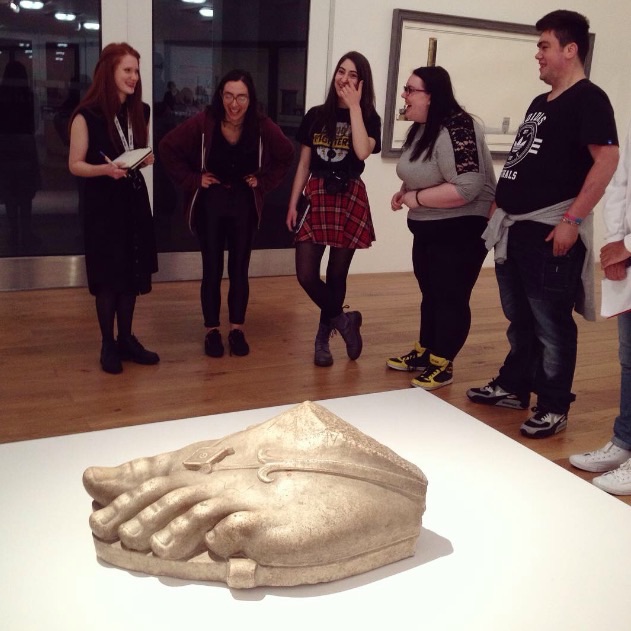
Another way to bring some focus and coherency to the events you participate in is to propose a symposium or workshop within a wider conference. I have done this a couple of times, and am currently working on a creative workshop with practitioners associated with my research. While these types of events can act as dissemination moments for the PhD, I think the main benefit lies in the coming together of a research community, and the production of new connections and ideas. I’ve considered the events I’ve attended and organised to be part of my fieldwork, rather than a stage for it.
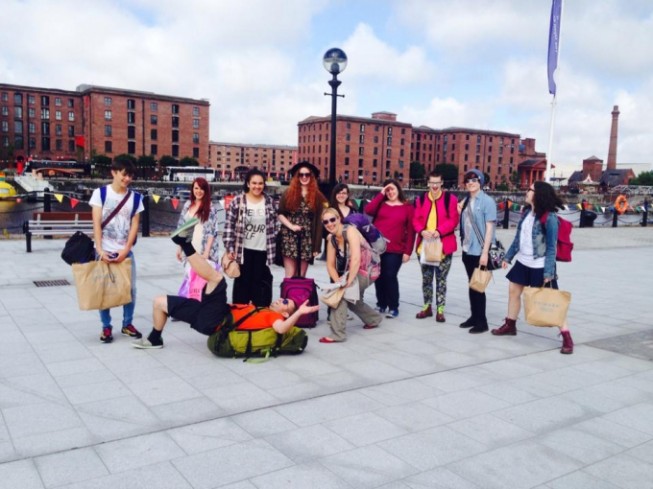
If I can offer a few nuggets of advice for PhD beginners, I would keep in mind the following…
1. Get stuck in
If you are relatively new to coordinating events, or you want to get involved in the broader scholarly life of your department, you might want to join the organising committee of your school’s postgraduate research conference or help to arrange lunchtime seminars. This is a great way to get to know other students and lecturers and experiment with different formats in a supportive environment.
2. Allow time to research and network
The second year feels like a good moment to start organising more focused, public-facing events. You’ll have had time to go to different conferences, to identify the gaps and to hear notable speakers. By the second year you should have a decent list of early career and established researchers who could be potential contributors to your programme.
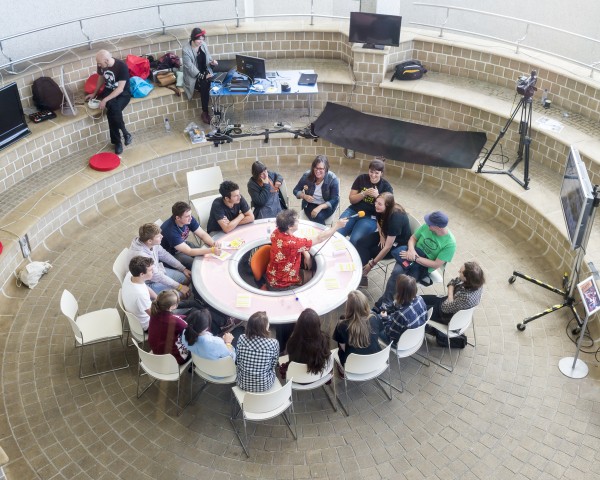
There are major advantages to working together with like-minded peers, and/or more experienced academics when devising events. Support from various agents can instil a sense of confidence in the project and spread the workload, while the backing of reputable institutions can lever high profile speakers and diverse audiences.
4. Clarify your aims
Ask yourself who the event is for, why you’re doing it, and whether it brings something original to a particular research issue. If you’re doing a call for abstracts, make sure the copy you use is clear, inviting, and open enough to encourage a range of submissions.
5. Plan ahead
Think strategically about the timing and location of your event. Steer clear of possible clashes with major conferences or holiday periods and make sure you leave ample time for promotion. Don’t try to pack too much into one event (I’m guilty of this) and leave generous time for conversation and debate in the schedule.
6. Reflect
Build in the means to reflect on and share your post-event conclusions. If possible, record the event and write up a summary as a blog post. By doing this, you will reach a secondary audience, generate useful data, and will be better able to demonstrate the value of the event when it comes to writing reports about the all-important research impact!
Photos of youth events organised by Circuit, a Tate national programme which connects galleries and young people ‘to spark change’.
 patter